Let’s be honest, your freezer is a bit of a kitchen superhero. It saves money, fills empty bins with leftovers and is always at the ready with a quick frozen meal on a busy night. But if you have ever dragged out a frozen piece of meat, with a frostbite, or wet vegetables, you know there is a way to do it and a way not to do it. The easiest trick in storing frozen foods is knowing how to store them properly so that every bite will be as delicious and healthy as the first day that you froze it.
Perhaps, you’re wondering, “What is the best way to store frozen food at home without it getting ruined?” or “How long can this actually last?” You’re not alone.
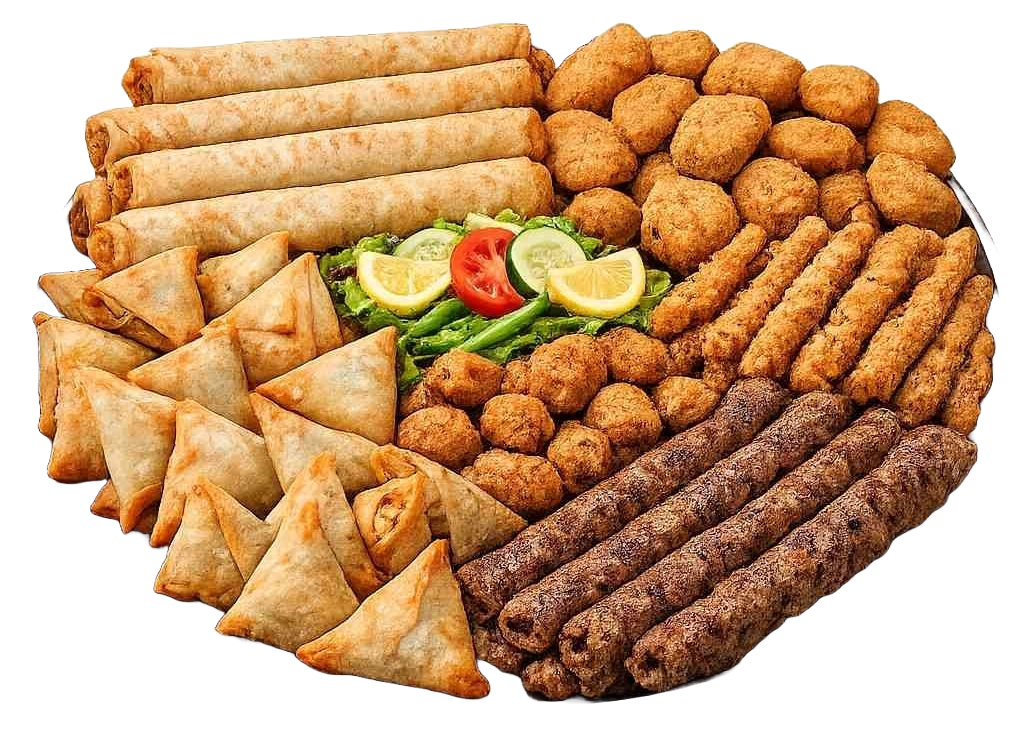
This guide will take you through it all, including the ideal temperature of the freezer, the most appropriate containers in which you can store your frozen rolls and frozen samosas. We will discuss the means of maintaining your frozen food item to remain fresh, safe and ready to devour any time.
Understanding Frozen Food Storage Basics
Ever pulled out a chicken breast that looks like it’s clothed in a suit of frost? That is freezer burn, and it occurs due to two things: ice and air. Your freezer is a pause button and not a time machine. It slows things down, however, when your food is wet it dries out and gets those weird, tough patches.
The good news? You can easily present them both and it all comes down to controlling speed and sealing things tight. In fact, you would be surprised to learn that it normally begins with one of the most frequent questions that people ask themselves: What temperature should a home freezer be set at? Let’s get that sorted first.
What Temperature Should a Home Freezer Be Set At?
Okay, let’s cut to the chase. If you remember one number from this whole guide, make it “-18°C (that’s 0°F)”. This isn’t just a suggestion; it’s the best temperature for storing frozen food, where your food hits the pause button most effectively.
Turn it a notch higher and you are courting trouble. You will have more of that chilly frosty burn we discussed and your frozen foods will not retain their taste, or last anywhere near as long. Ever found ice cream that’s weirdly crystallized? The sign that your freezer was too warm.
People simply turn the dial and wish for the best. Don’t do that. For a few bucks, get a little freezer thermometer. Toss it in the back. Unless it shows -18°C, rotate the dial until it shows so. It is the easiest, the smartest thing you can do to all the frozen food items you own.
Now, the right temperature sets the stage. But the real magic is in how you pack things. Let’s get your food ready for its deep freeze.
How to Store Frozen Food Correctly? (Step-by-Step)
Getting the temperature right is half the battle. The other half is what you do in your kitchen before the food even sees the freezer. This is how to store frozen food correctly from the very start.
Think of it like tucking your food into bed. You want it dry, cozy, and in the right-sized pajamas.
- Cool it Down, Then Lock it Down: It is extremely important to never ever freeze steaming hot soup or stew into the freezer. It raises the temperature for everything else and creates ice crystals galore. Let it cool to room temp first (about 90 minutes).
- Portion Control is Important: Freeze in meal-sized portions. Melting a huge block of chili to serve a single individual is a waste recipe. Muffin tins are great for sauces, and ice cube trays work for herbs in oil!
- Squeeze the Air Out: Whether you’re using a bag or a container, get as much air out as possible. In the case of bags, freeze them in a flat position. You’ll stack them like books later and save tons of space.
Doing this prep right is the healthiest way to store food in the freezer because it locks in nutrients and flavor. It is what makes your future meals delicious. Speaking of great taste, let’s talk about your favorite tasty frozen items.
Storing Popular Frozen Foods the Right Way
And now to the better thing, which is to ensure that your favourites remain perfect. Be it a bag of frozen fries to make up a side or frozen kebabs because it reminds us of summer grilling, there is a bit of a trick to all.
- For crispy things like fries or frozen nuggets: Keep them crispy by double-bagging them. That original bag is thin. Toss the whole thing into a heavy-duty freezer bag to lock out air.
- For marinated things like kebabs or samosas: If they came in a flimsy tray, wrap the whole tray tightly in cling film or foil first. This prevents “freezer taste” and keeps the marinade from leaking.
- For baked goods like rolls: Place them in a strong, airtight container. If you stack them, put a small piece of parchment paper between them so they don’t freeze together.
These slight steps will ensure that you are getting the best frozen foods off your own shelves; those that are just as good as they were the day you purchased or prepared them. This method of storing food in freezer the right way means every pizza night or snack attack is a win.
How Long Can Frozen Food Last in a Freezer?
Let’s get this straight. Frozen food can last practically forever provided that you have it in your freezer at that magic -18°C. Bacteria are in a deep freeze. But “safe” and “still delicious” are two different things. With time, taste and texture fade.
So, how long can frozen food last in a freezer for the best quality? Think in months, not years. Here’s a simple cheat sheet:
- 3-4 Months: This is the sweet spot for most tasty frozen items like pre-made frozen nuggets, fish fillets, and soups. They hold their quality brilliantly.
- 6-12 Months: Heartier things do well here. Think uncooked meats (chicken, beef), butter, and fruit for smoothies.
- 1-2 Months: For the best texture on healthy frozen food like leafy greens or fresh herbs, use them within a couple of months.
The easiest way? Write the freeze date on the package with a marker. “Chicken – Jan 15”. It takes two seconds and saves you from playing the “what is this?” guessing game later.
Now, what about when you take something out? You might not want to cook it right away. Is it okay to keep frozen food in fridge for a day or two? Let’s clear that up next.
Keeping Frozen Food in the Fridge: What’s Safe and What’s Not
So you moved those frozen samosas and rolls from the freezer to the fridge to thaw for dinner tonight, but now plans changed. Sound familiar? Keeping frozen meals in the fridge for an extra day is usually fine, but there’s a limit.
Think of your fridge as a slow-motion thawing machine. Once fully thawed, the clock starts ticking like it’s fresh food. Cooked dishes like soups or casseroles are good for 3-4 days in the fridge after thawing. Raw meat? You’ve got 1-2 days max to cook them.
Can You Refreeze Thawed Food Safely?
Let’s end with the million-dollar question. We’ve all been there—thawed too much ground beef or left the peas out too long. Can you refreeze thawed food safely? Here’s the simple rule that will save you a lot of worry.
If you thawed it in the refrigerator and it’s still cold to the touch, you can safely refreeze it. The quality might take a small hit, but it’s perfectly safe. Your fridge kept it in that safe zone.
However, if it thawed on the counter or in warm water, bacteria have had a party. In that case, cook it thoroughly right now if it’s still cool, and then you can freeze that cooked dish. But never refreeze it raw.
Think of it this way: when in doubt, cook it out. Turn that questionable thawed chicken into a batch of soup or shred it for casseroles, then freeze those ready-to-go meals. You save the food and your peace of mind.
FAQs
1. What is the healthiest way to store food in the freezer?
Cool food first, then pack it in airtight containers or freezer bags with all the air squeezed out. This locks in nutrients and prevents freezer burn.
2. How long can frozen food last in a freezer?
For best quality, most items last 3-12 months at -18°C. While safe indefinitely, flavor and texture fade over time.
3. What is the best way to store frozen food at home?
Use your freezer’s coldest setting (-18°C), portion food before freezing, and seal it in proper packaging to keep air out.
4. What temperature should a home freezer be set at?
Set it to -18° Celsius (0° Fahrenheit). This is the standard safe temperature that preserves quality and prevents spoilage.
5. Can you refreeze thawed food safely?
Yes, but only if it was thawed in the fridge and is still cold. If it thawed on the counter, cook it thoroughly first, then freeze the cooked dish.